


- Best Seller
- Best Seller








What is Hallux Valgus?
Hallux Valgus is a deformity of the big toe in which it bends inward toward the other toes. This condition can cause pain, discomfort, and difficulty finding comfortable shoes.
It is a common foot condition that is often aggravated by tight or uncomfortable shoes or prolonged strain on the toes. Hallux Valgus can develop gradually, and in many cases it leads to a bump on the outside of the foot at the big toe.
Common symptoms of Hallux Valgus
The symptoms of Hallux Valgus can vary depending on how far the deformity has progressed.
Common symptoms include:
- Pain caused by pressure from shoes
- Swelling on the outside of the big toe
- Difficulty finding comfortable shoes
- Calluses or corns on the big toe
- Pain when walking or exercising
Why do people develop Hallux Valgus?
Hallux Valgus can be caused by an imbalance in the muscles and joints of the foot, but other factors also contribute to its development.
Common causes include:
- Tight or narrow shoes
- Heredity
- Hormonal changes, especially in women
- Collapsed arch (flat feet)
- Long-term overloading
Hallux Valgus is more common in women and people who often wear high heels or tight shoes.
How to relieve symptoms of Hallux Valgus
To relieve pain and reduce discomfort caused by Hallux Valgus, it is important to reduce pressure on the big toe and support the toes.
It may help to:
- Wear wider shoes with more room for the toes
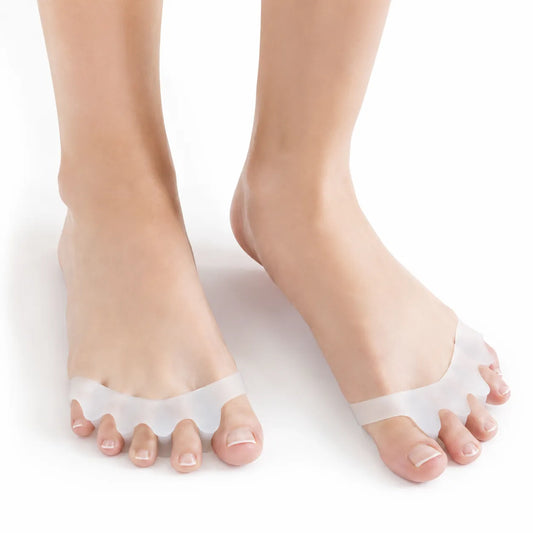
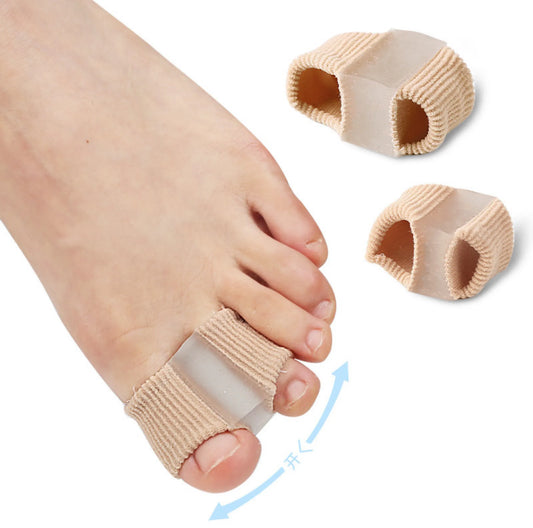
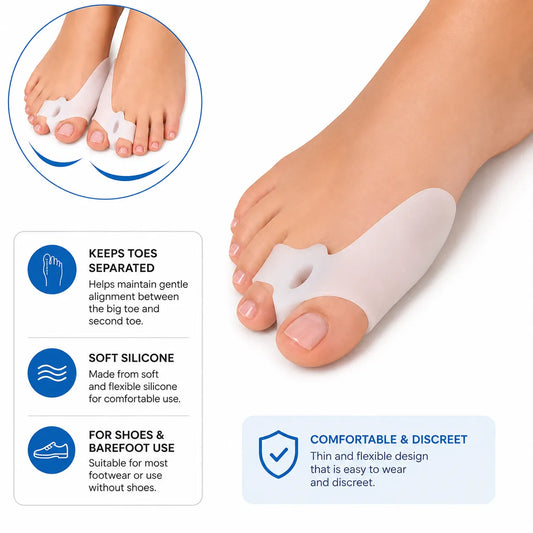
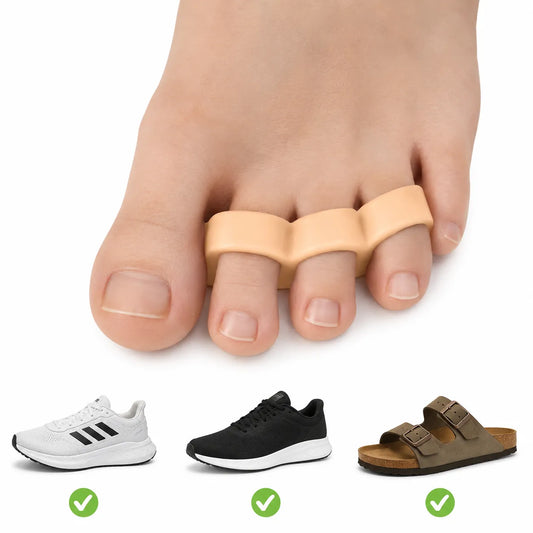
- Reduce pressure from shoes by using toe separators
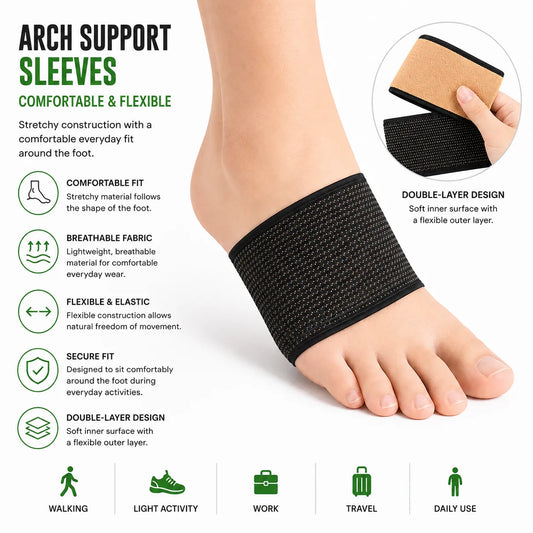
- Use specially adapted insoles to relieve pressure on the arch
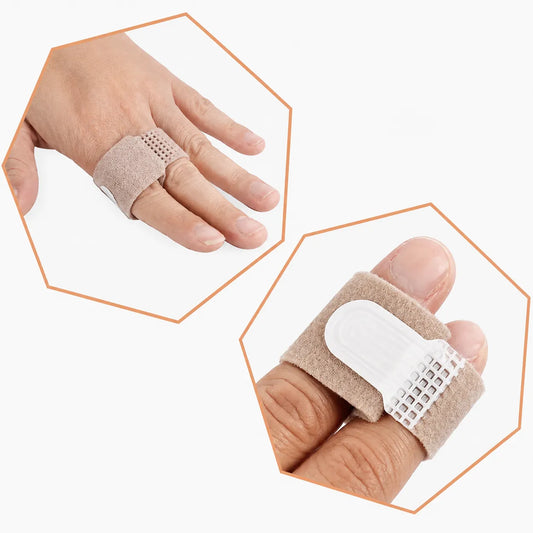
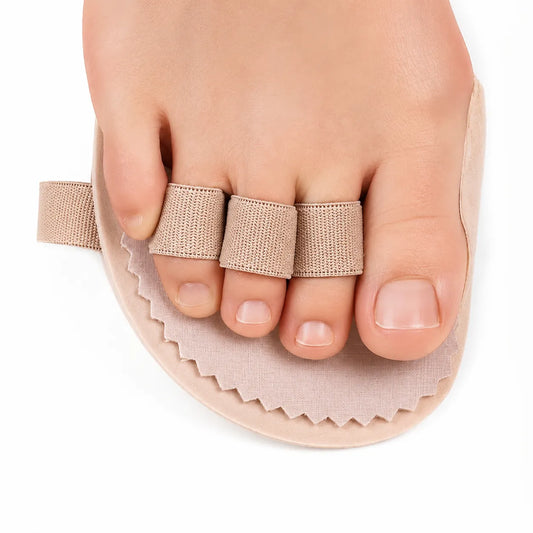
- Support the foot with aids such as toe separators for Hallux Valgus
Many people experience relief and greater comfort when using toe separators that help keep the toes in a more natural position.
What helps most with Hallux Valgus?
The most effective way to relieve pain from Hallux Valgus is often a combination of pressure relief, support, and the right shoes.
Common solutions include:
- Toe separators that reduce pressure and chafing
- Arch supports to reduce strain
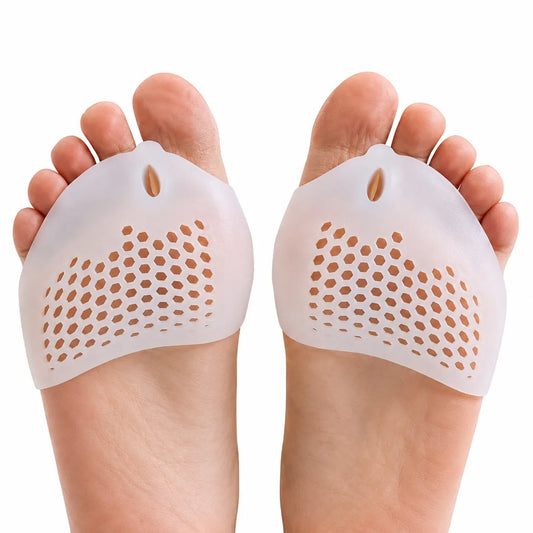
- Shoe insoles that relieve pressure on the forefoot
- Shoes with a wide toe box
Can Hallux Valgus go away?
Hallux Valgus usually does not go away on its own, but the right measures can reduce symptoms and slow its progression.
In the early stages, symptoms can often be relieved through self-care, but surgery may be considered in more pronounced cases.
How long does it take to get better?
How quickly you get better depends on how early you act and how much you relieve pressure on the foot.
Many people experience improvement quickly when pressure is reduced, but more advanced symptoms may take longer.
When should you act?
If you notice that the toe is beginning to bend or you experience pain in the big toe when putting weight on it, it is important to act early.
Early measures can reduce the risk of the symptoms worsening and provide better conditions for walking without pain.
Frequently asked questions about Hallux Valgus
What is Hallux Valgus?
It is a foot condition in which the big toe bends inward and causes pain on the outside of the foot.
What does Hallux Valgus feel like?
It often feels like pain, pressure, and discomfort on the outside of the big toe, especially in tight shoes.
What helps fastest?
Reducing pressure with wider shoes and using toe separators can often provide quick relief.
Can you exercise with Hallux Valgus?
Yes, but it is important to avoid activities that worsen the pain, such as wearing tight or uncomfortable shoes.
Do you have to have surgery?
No, most people manage with self-care. Surgery is only considered in cases of more severe discomfort.
Read more: Information about Hallux Valgus on 1177
What is Hallux Valgus?
Hallux Valgus is a deformity of the big toe in which it bends inward toward the other toes. This condition can cause pain, discomfort, and difficulty finding comfortable shoes.
It is a common foot condition that is often aggravated by tight or uncomfortable shoes or prolonged strain on the toes. Hallux Valgus can develop gradually, and in many cases it leads to a bump on the outside of the foot at the big toe.
Common symptoms of Hallux Valgus
The symptoms of Hallux Valgus can vary depending on how far the deformity has progressed.
Common symptoms include:
- Pain caused by pressure from shoes
- Swelling on the outside of the big toe
- Difficulty finding comfortable shoes
- Calluses or corns on the big toe
- Pain when walking or exercising
Why do people develop Hallux Valgus?
Hallux Valgus can be caused by an imbalance in the muscles and joints of the foot, but other factors also contribute to its development.
Common causes include:
- Tight or narrow shoes
- Heredity
- Hormonal changes, especially in women
- Collapsed arch (flat feet)
- Long-term overloading
Hallux Valgus is more common in women and people who often wear high heels or tight shoes.
How to relieve symptoms of Hallux Valgus
To relieve pain and reduce discomfort caused by Hallux Valgus, it is important to reduce pressure on the big toe and support the toes.
It may help to:
- Wear wider shoes with more room for the toes
- Reduce pressure from shoes by using toe separators
- Use specially adapted insoles to relieve pressure on the arch
- Support the foot with aids such as toe separators for Hallux Valgus
Many people experience relief and greater comfort when using toe separators that help keep the toes in a more natural position.
What helps most with Hallux Valgus?
The most effective way to relieve pain from Hallux Valgus is often a combination of pressure relief, support, and the right shoes.
Common solutions include:
- Toe separators that reduce pressure and chafing
- Arch supports to reduce strain
- Shoe insoles that relieve pressure on the forefoot
- Shoes with a wide toe box
Can Hallux Valgus go away?
Hallux Valgus usually does not go away on its own, but the right measures can reduce symptoms and slow its progression.
In the early stages, symptoms can often be relieved through self-care, but surgery may be considered in more pronounced cases.
How long does it take to get better?
How quickly you get better depends on how early you act and how much you relieve pressure on the foot.
Many people experience improvement quickly when pressure is reduced, but more advanced symptoms may take longer.
When should you act?
If you notice that the toe is beginning to bend or you experience pain in the big toe when putting weight on it, it is important to act early.
Early measures can reduce the risk of the symptoms worsening and provide better conditions for walking without pain.
Frequently asked questions about Hallux Valgus
What is Hallux Valgus?
It is a foot condition in which the big toe bends inward and causes pain on the outside of the foot.
What does Hallux Valgus feel like?
It often feels like pain, pressure, and discomfort on the outside of the big toe, especially in tight shoes.
What helps fastest?
Reducing pressure with wider shoes and using toe separators can often provide quick relief.
Can you exercise with Hallux Valgus?
Yes, but it is important to avoid activities that worsen the pain, such as wearing tight or uncomfortable shoes.
Do you have to have surgery?
No, most people manage with self-care. Surgery is only considered in cases of more severe discomfort.
Read more: Information about Hallux Valgus on 1177